
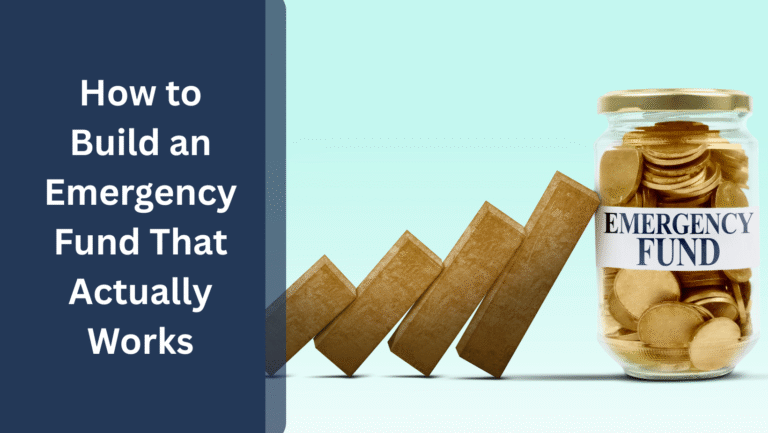
How to Build an Emergency Fund That Actually Works
Unexpected expenses can derail your financial plans — from medical emergencies to sudden job loss or urgent home repairs. This is why building an emergency fund is the cornerstone of financial stability.
An emergency fund ensures you’re prepared for the unexpected without dipping into your long-term investments or taking on high-interest debt.
Why an Emergency Fund Is Essential
-
Financial Security During Uncertainty:
Life is unpredictable. A dedicated fund provides a safety net when the unexpected happens. -
Prevents Debt Accumulation:
Without a backup, you might rely on credit cards or loans — creating a cycle of debt. -
Peace of Mind:
Knowing you’re prepared financially allows you to focus on long-term goals instead of worrying about emergencies.
How Much Should You Save?
Financial experts recommend 3–6 months’ worth of essential expenses as a minimum.
-
Single Individuals: Aim for at least 3 months’ expenses.
-
Families: 6 months or more, considering multiple dependents.
Your fund should cover necessities like rent, utilities, groceries, EMIs, and insurance premiums.
Where to Keep Your Emergency Fund
-
High-Interest Savings Account: Quick access and liquidity.
-
Liquid Mutual Funds: Slightly higher returns with easy redemption.
-
Fixed Deposits with Sweep-in Feature: Safe and earns interest while allowing limited withdrawals.
💡 Tip: Keep it separate from your daily account to avoid temptation.
How to Build It Effectively
-
Start Small and Be Consistent:
Even ₹2,000–5,000 per month works if done consistently. -
Automate Savings:
Set up automatic transfers to your emergency fund account. -
Increase With Income Growth:
Every salary hike or bonus can boost your fund. -
Review and Adjust:
Periodically reassess your fund based on changing expenses or family needs.
Common Mistakes to Avoid
-
Using your emergency fund for non-emergencies.
-
Relying solely on credit cards or loans.
-
Not increasing the fund as expenses rise.
-
Investing it in risky assets — liquidity and safety matter more than high returns.
Final Thoughts
An emergency fund is your first line of financial defense. It protects your long-term investments and helps you navigate life’s uncertainties with confidence.
At Phoenix Consultancy, we guide clients in building robust emergency funds tailored to income, family size, and lifestyle — ensuring financial stability comes first, before growing wealth.